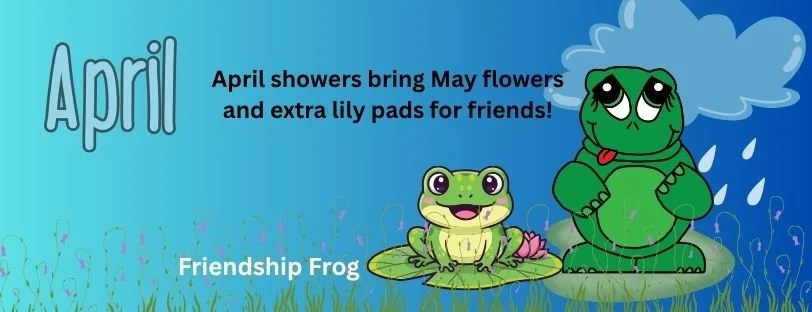
Honesty and friendship blend well together, for when our friends are honest with us we build a stronger bond, trust and long lasting friendship!
Hi, Friendship Frog, just one of the nine Characters of Character. Having honest friendships makes me very ‘hoppy’
Friendship is important to teach children because it helps them with relationships and developing long lasting friendships. These are some thoughts…
Friendship Frog is friendship relatable…
Friendship Frog gives children a friendly, visual example of what being a good friend looks and sounds like, plus sharing, listening, including others, and showing kindness are important ways to be a good friend. Kids often connect more deeply with characters than with abstract lessons.
Friendship Frog helps children practice social skills…
Through Friendship Frog’s stories or activities, children can role play real life friendship moments, like taking turns or resolving small disagreements which helps them build real world social confidence and resolutions!
Friendship Frog teaches emotional understanding…
Friendship Frog models empathy and shows how to care about others’ feelings. This helps children recognize emotions in themselves and their friends, an essential part of forming healthy relationships.
Friendship Frog encourages inclusion and kindness…
Friendship Frog reminds kids that everyone deserves a friend. By showing how to welcome others and celebrate differences, helps reduce loneliness and bullying behaviors.
Friendship Frog lays the foundation for lifelong values…
Friendship is at the heart of good character. Learning these lessons early with the help of a fun, friendly character sets children up for stronger relationships, better teamwork, and greater emotional well being as they grow and build a strong foundation.
When I was in the classroom, numerous times I took children aside and had a conversation about friendships. Often asking the aggressive child to listen to their peers feelings. I’d ask them how they would feel if, for example, they were left out, or they were not included in activities, etc. or if somebody said something not true about them how they would feel. Placing a child on the other side of the coin allows them to look at the situation at a different perspective and many times more so than not they stopped to think before they were mean, negative or not caring about someone else.
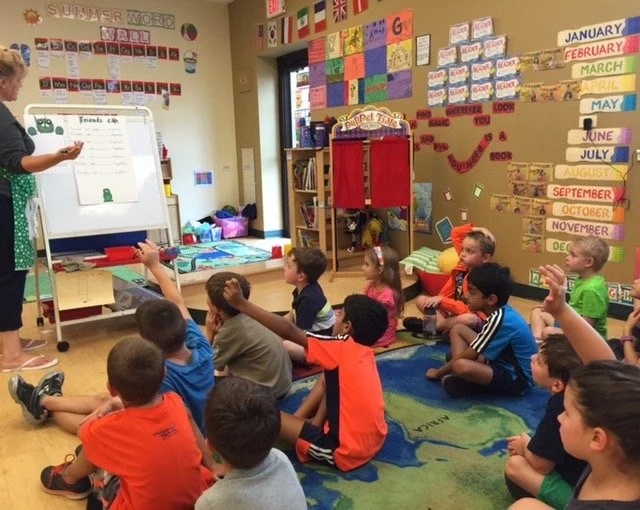
In class we talked about what friends can do together and I made a chart which read, “Friends can….” and wrote down what the students shared with their name next to the sentence. I changed colors of markers to make it easier to separate the sentences. You could only use one word. For example, Friends can play together. name. Next sentences, Friends can sing together. name. Until each child had a turn. Then, they came up to read their sentence. During the day we continued our conversations about friendships and what they liked to do with their friends. You can even make a book, have each student draw a picture with them and their friend and share it as a class travel book or keep the pages to share at conference time.
While children are drawn to a friend, or a best bud, it’s important to introduce them to other children as well. Place each child’s name on a piece of paper in a bag and have the child pull out another name. Have those two children do an activity together. This builds social skills, communication, team builds and who knows, they may be a match made in heaven!
Friendship Frog and Miss Joni